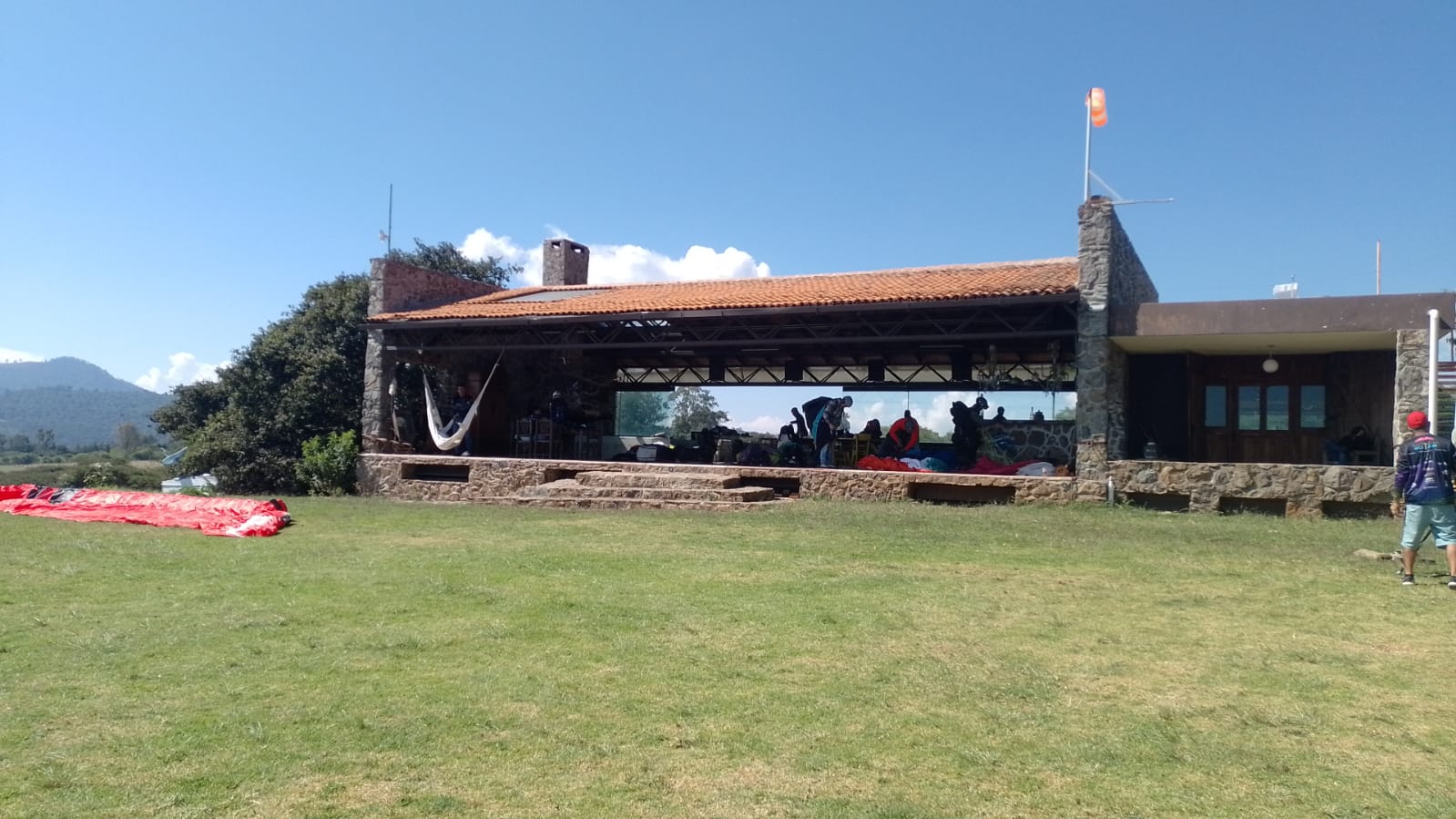
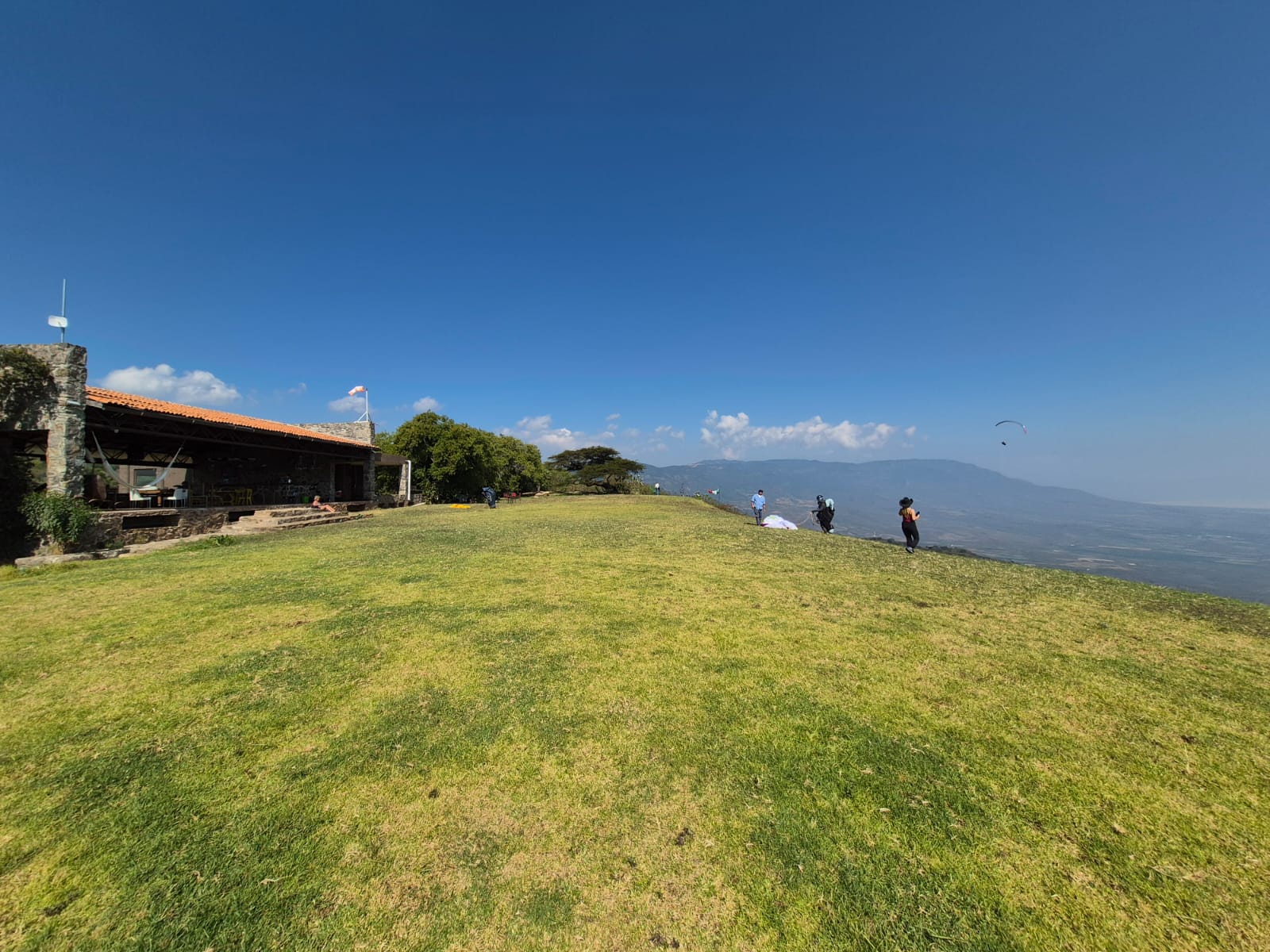
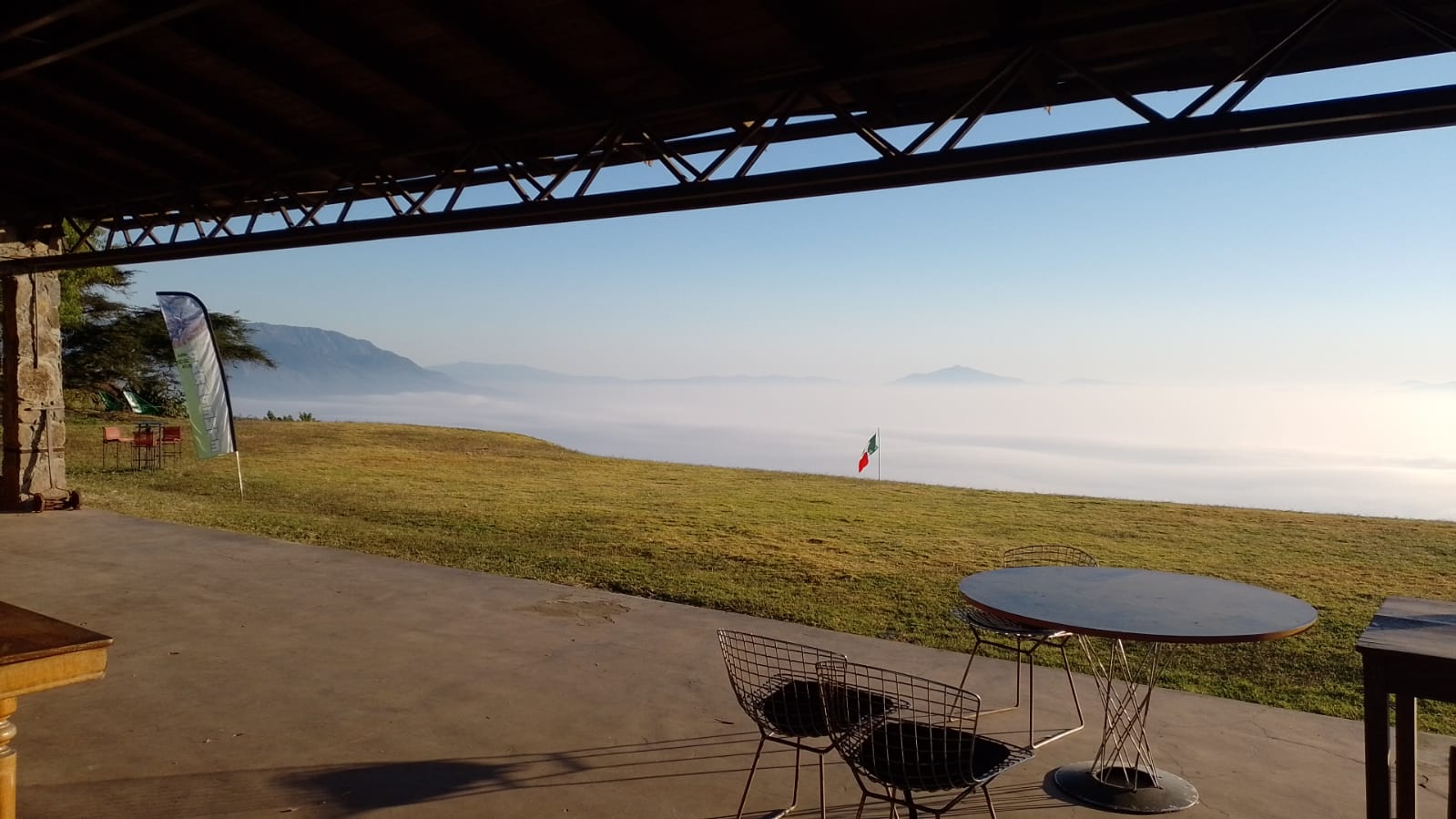
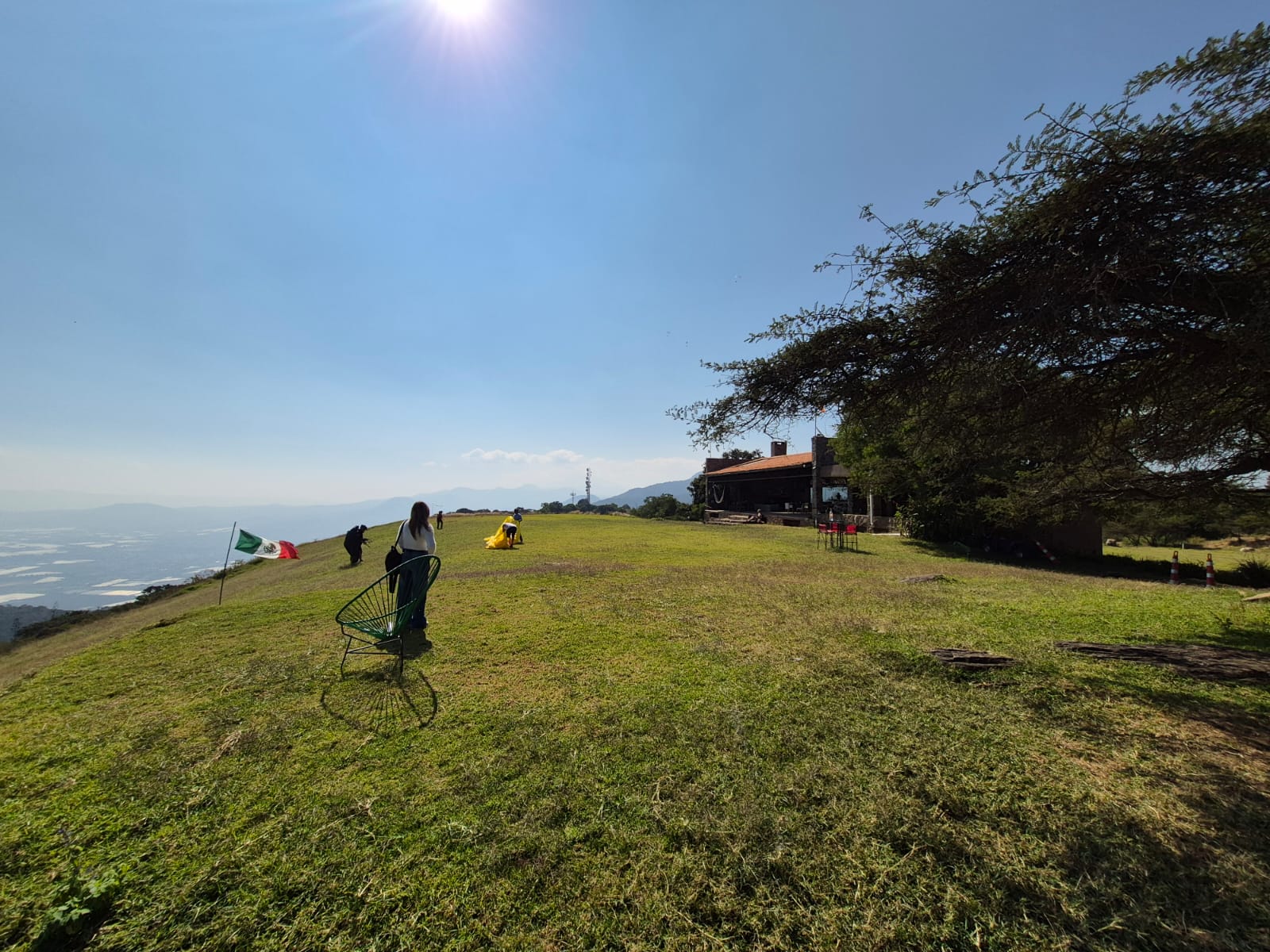
Quinta Mixtli (Main Launch Point)
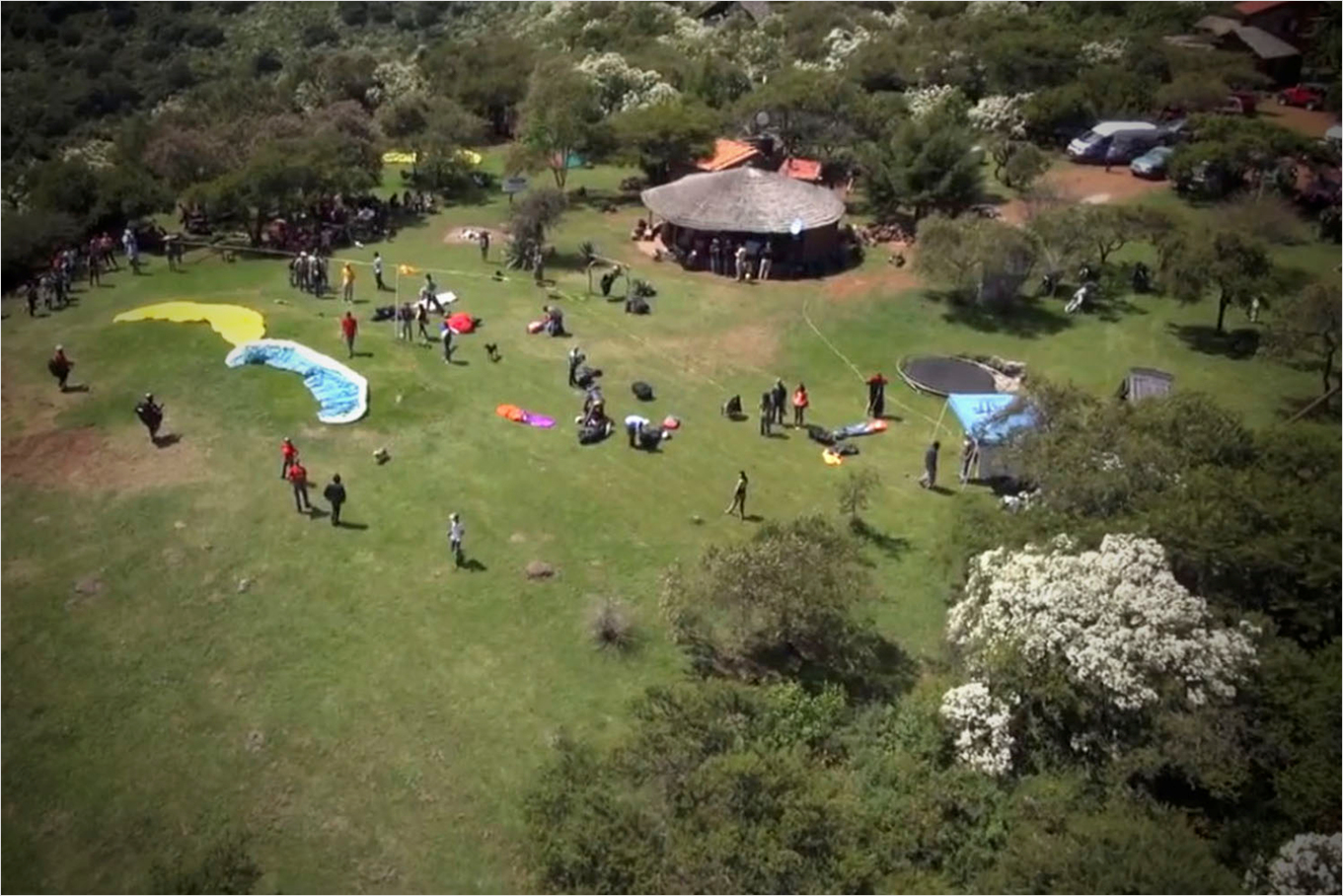
This is the perfect place to launch your paraglider, with an eastward view. It is a beautiful private property carefully maintained by the family of Felipe Karam. Felipe is an iconic and much-loved paragliding pilot with a long and distinguished career dating back to the very beginnings of paragliding in Mexico. He has dedicated much of his life to promoting the sport. Felipe holds the record for the longest flight in Mexico, is a National Champion, was President of the Mexican Association, and organized the first two World Cups. The area allows for the simultaneous launch of three paragliders and has capacity for three lines of two ready paragliders each. The launch fee outside of competitions is $150 Mexican pesos per pilot per day.
*For pilots registered with the SRS, Pre-American, and Pan-American, Quinta Mixtli offers five free days.
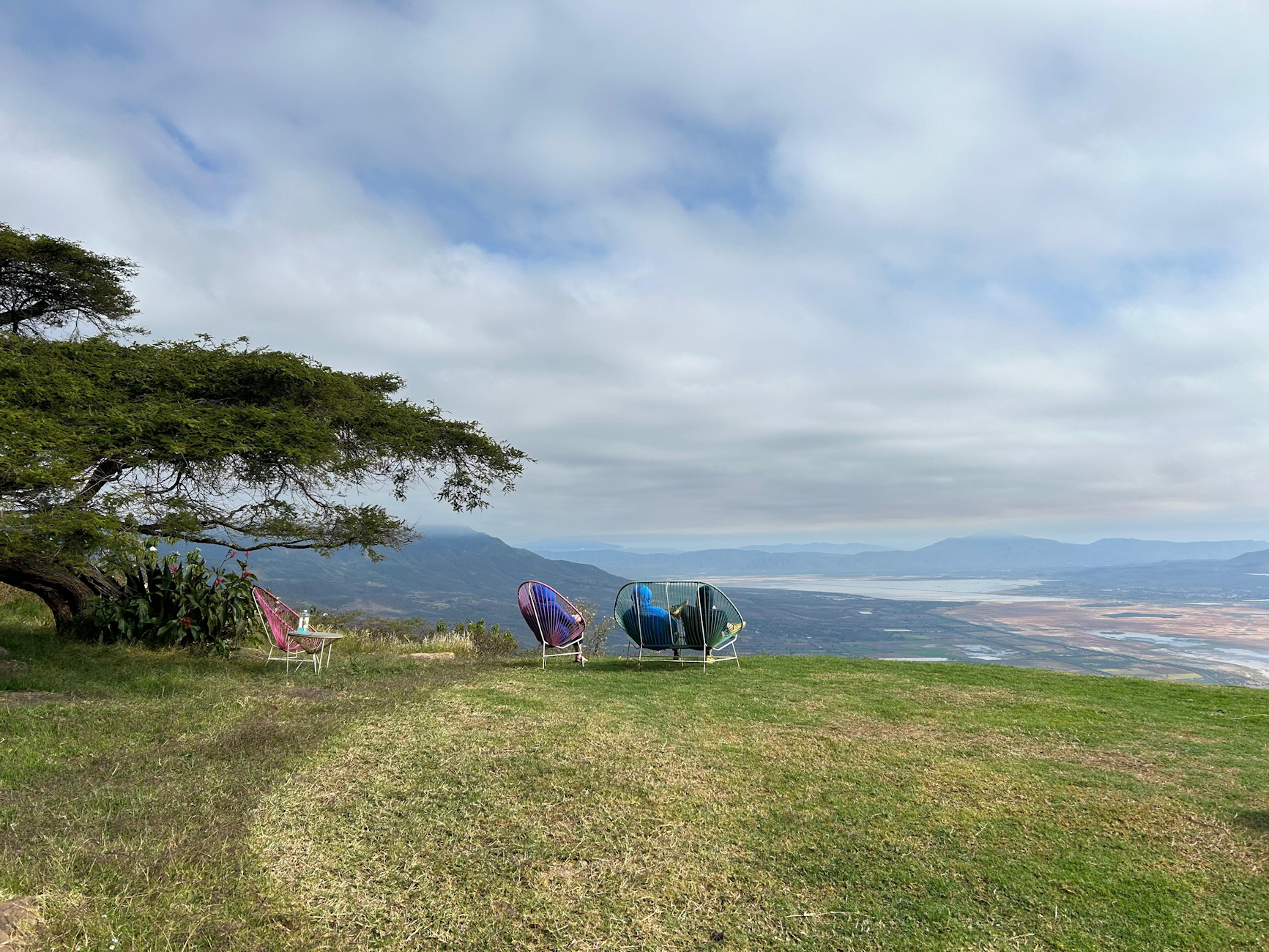
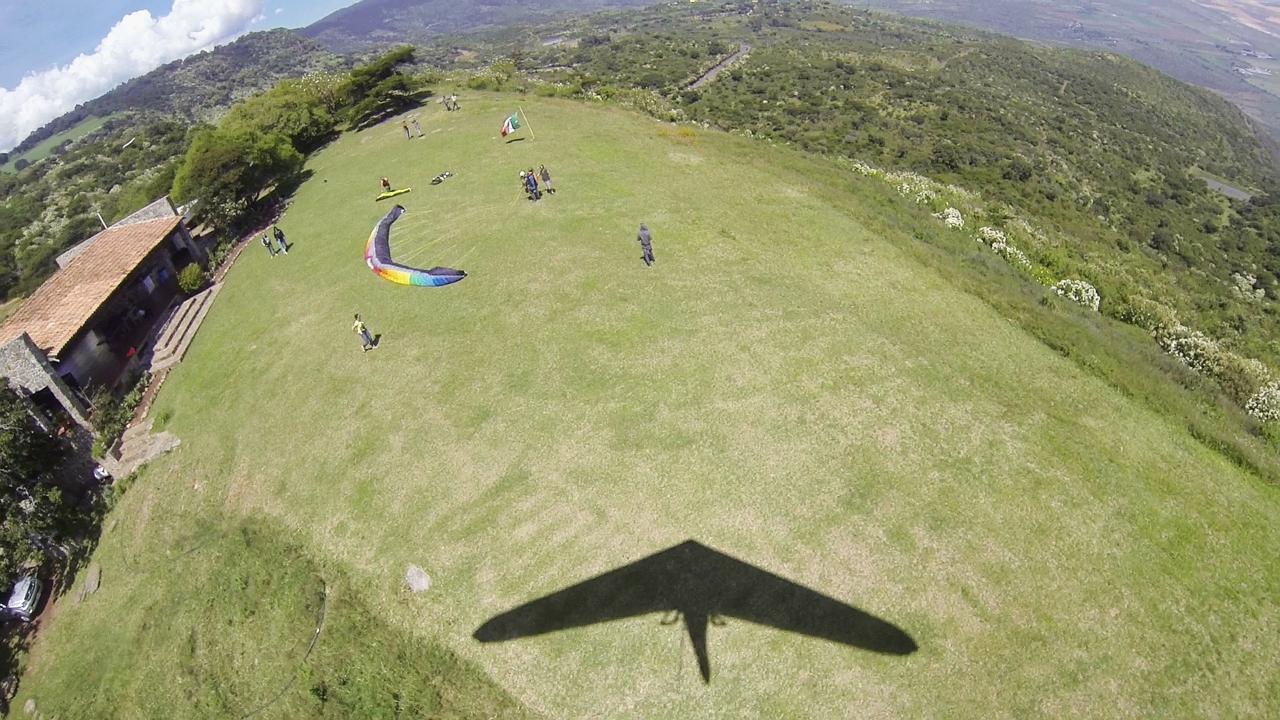
Los Papalotes (Meeting Point and Top-Landing Area)
Located at the Quinta Mixtli launch site, this is a parking area, restaurant, and landing zone. Los Papalotes is one of the leading tandem paragliding businesses and schools in Tapalpa, serving excellent pizzas, salads, and hamburgers. Camping facilities and cabins are also available for lodging. "El Huevo & Diego" are excellent hosts and organize the Calaca Fest paragliding competition and personalized Day of the Dead parties. Paragliding Tapalpa
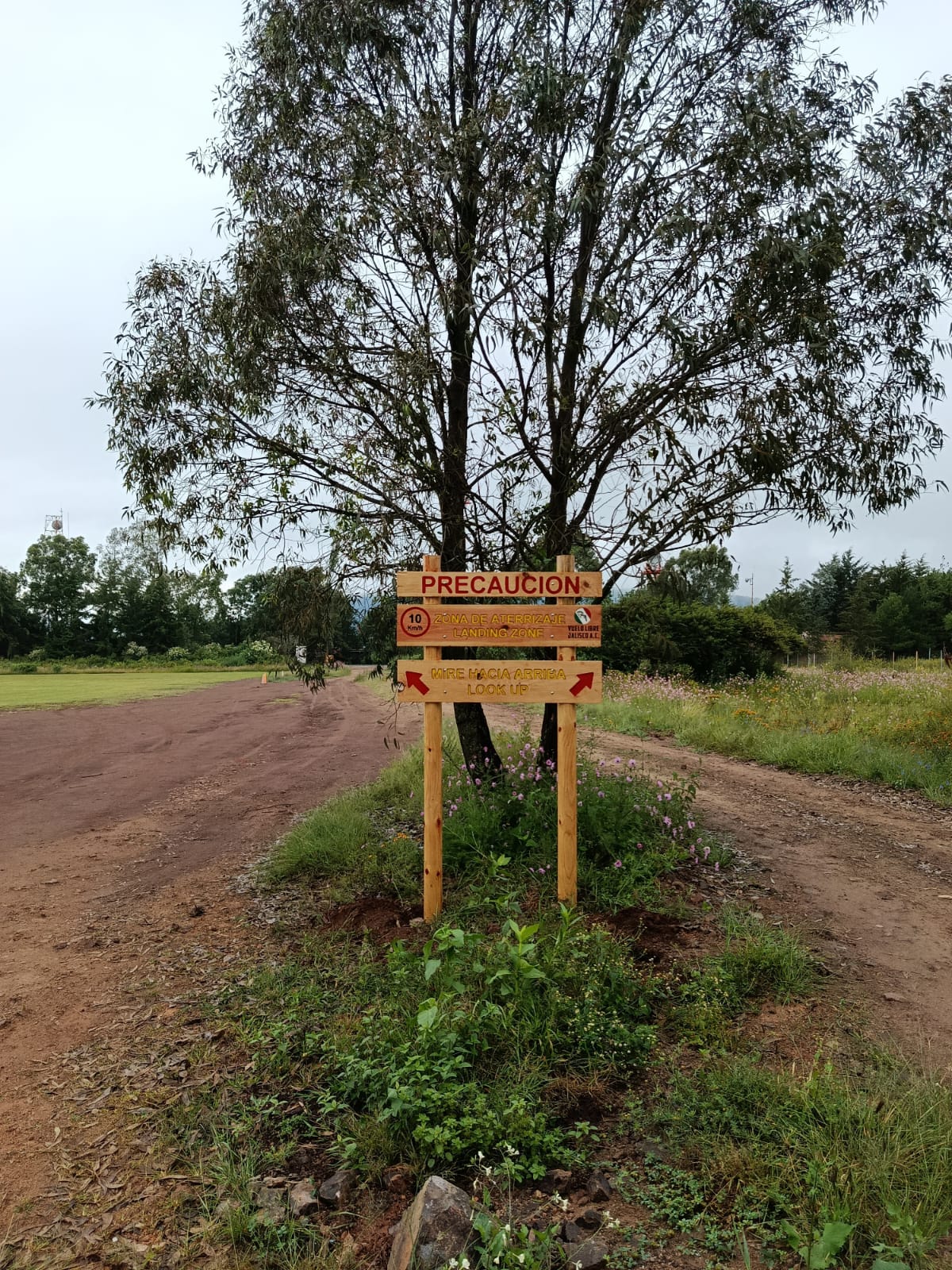
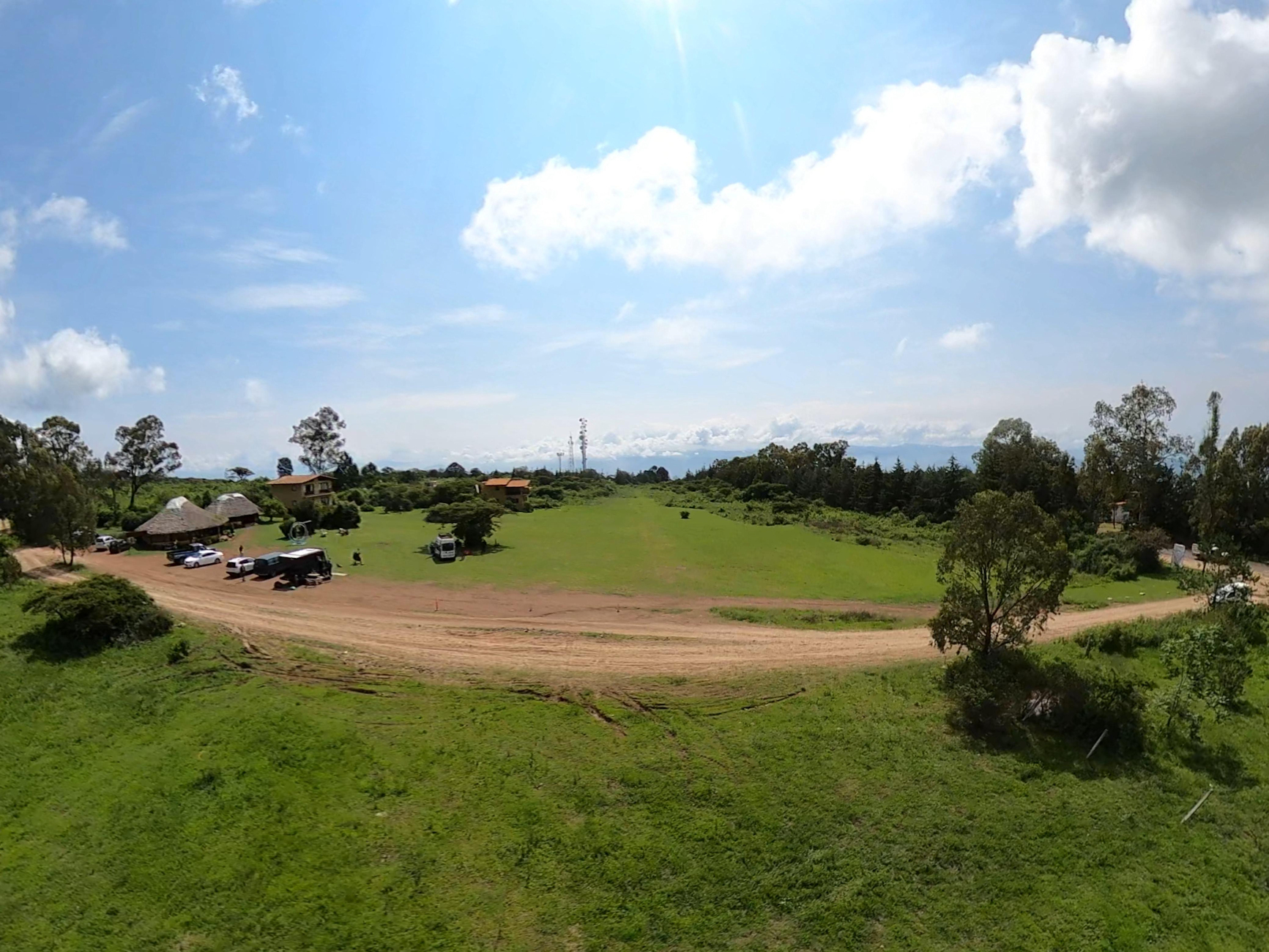
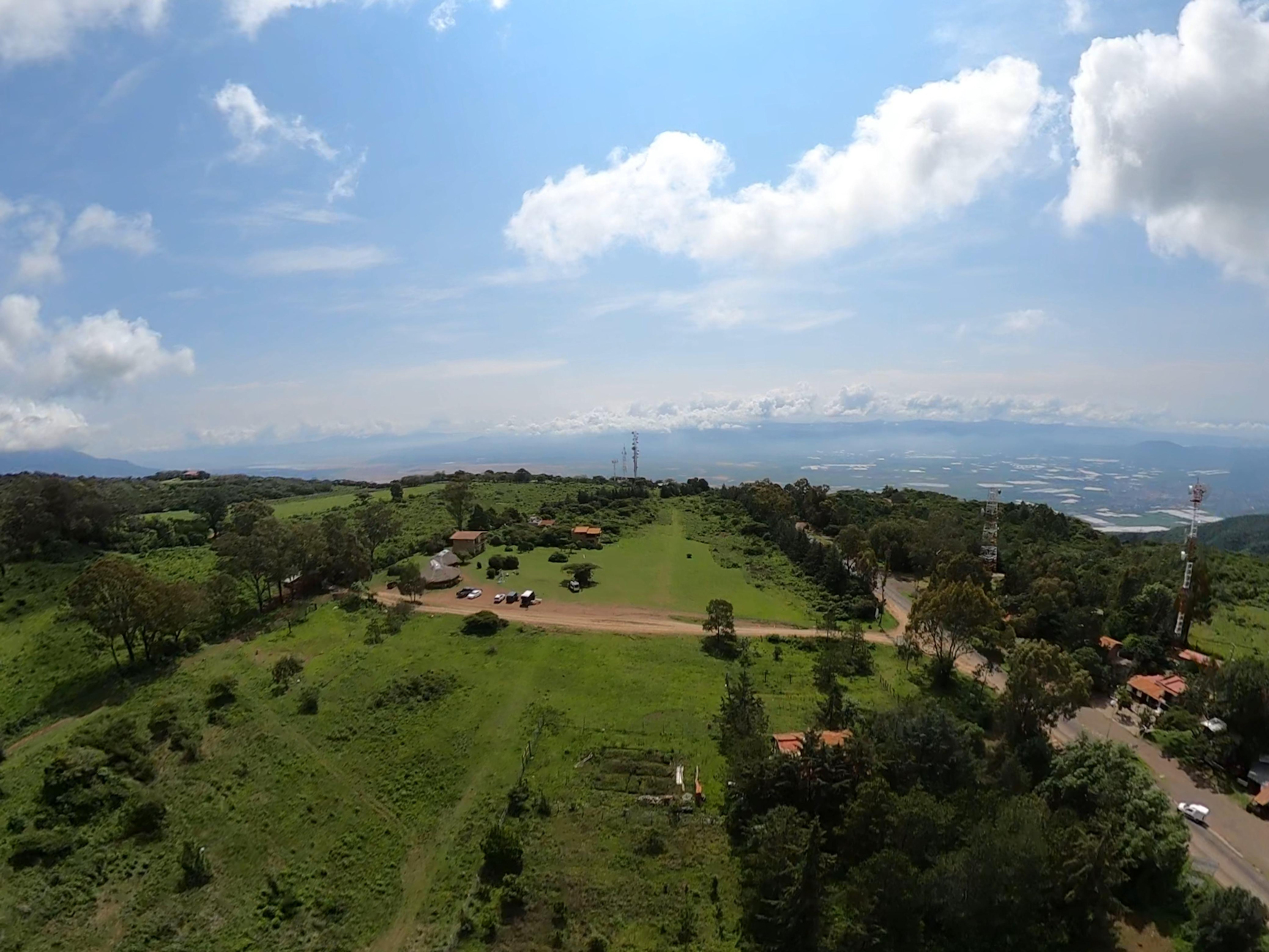
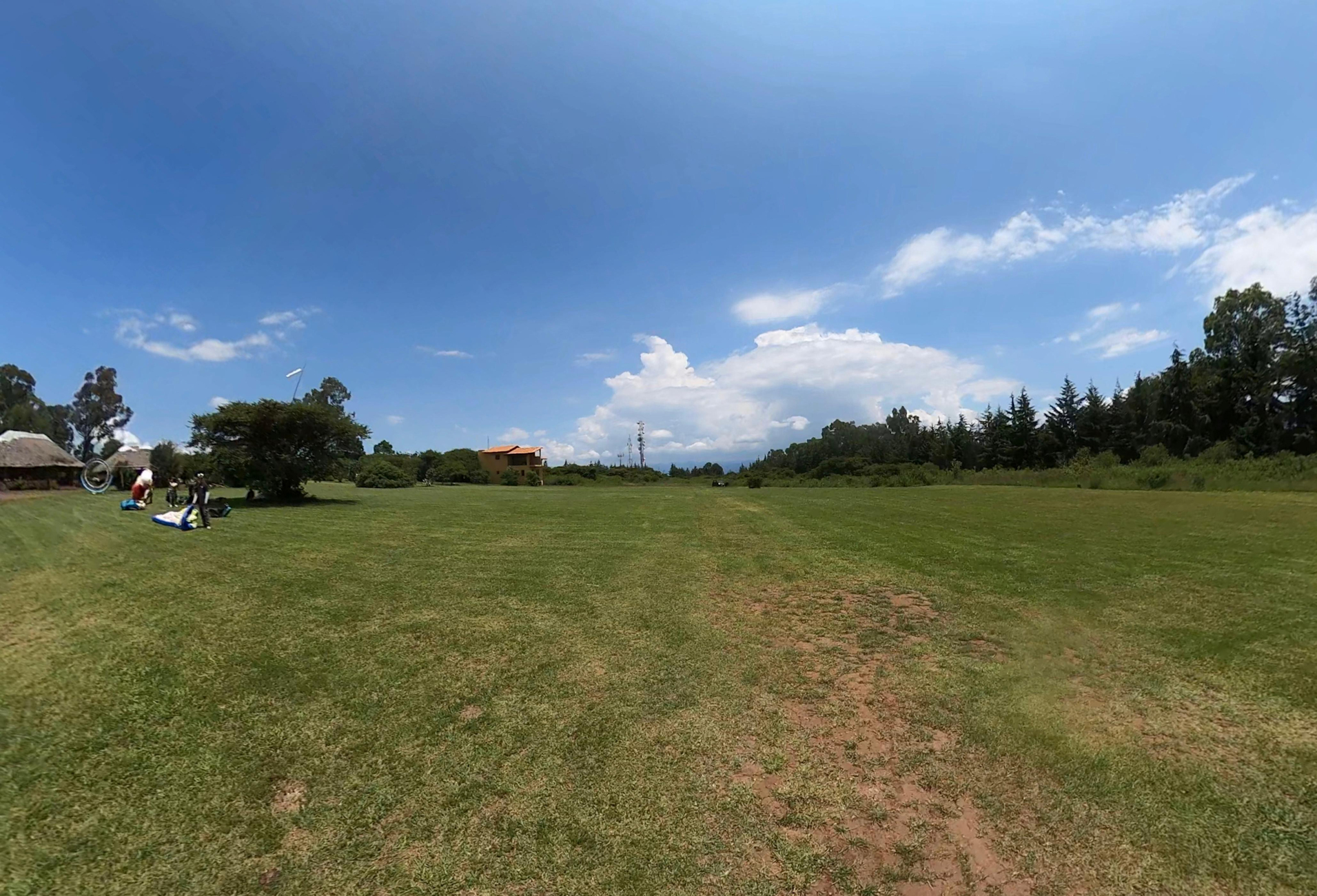
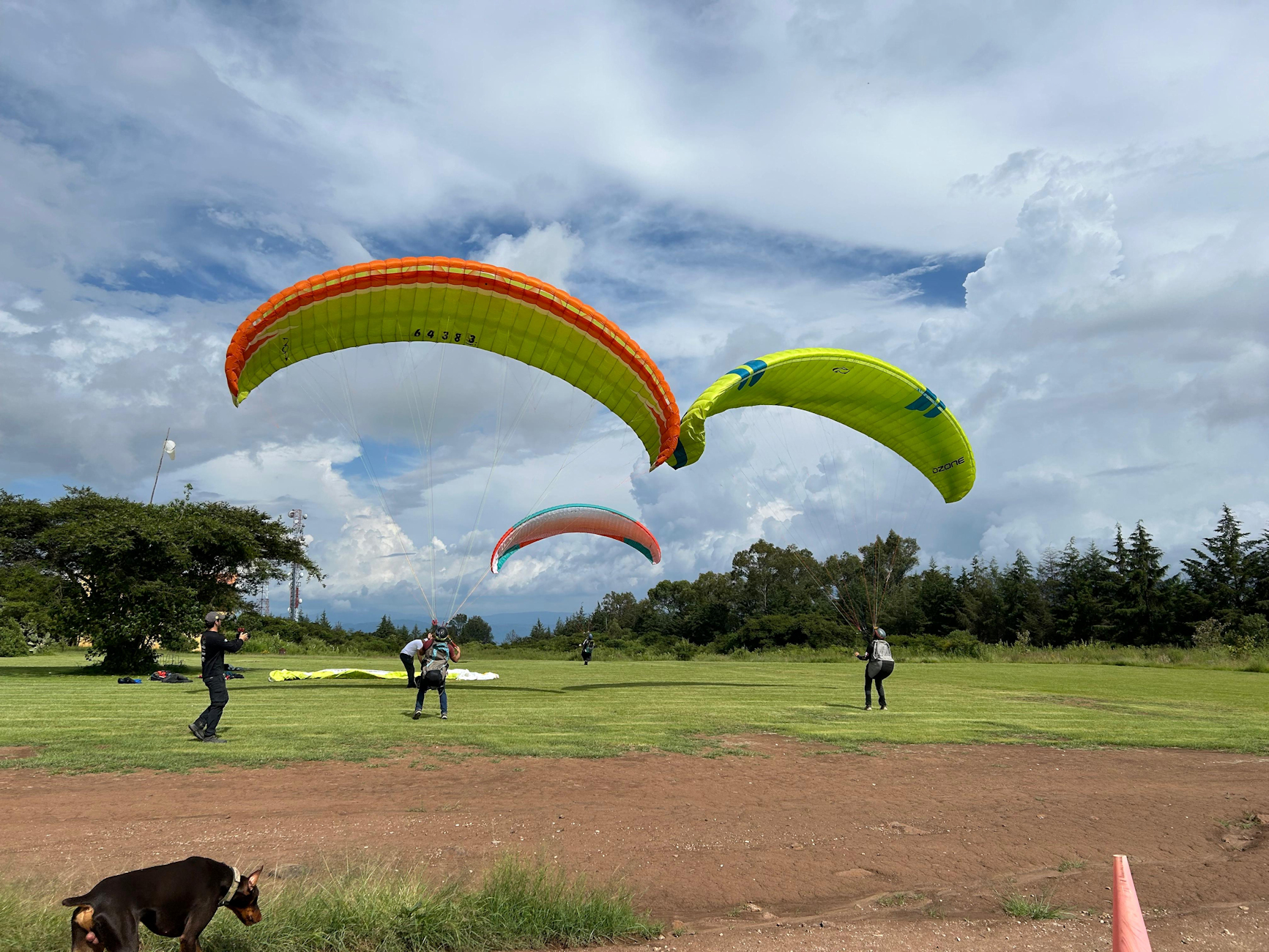
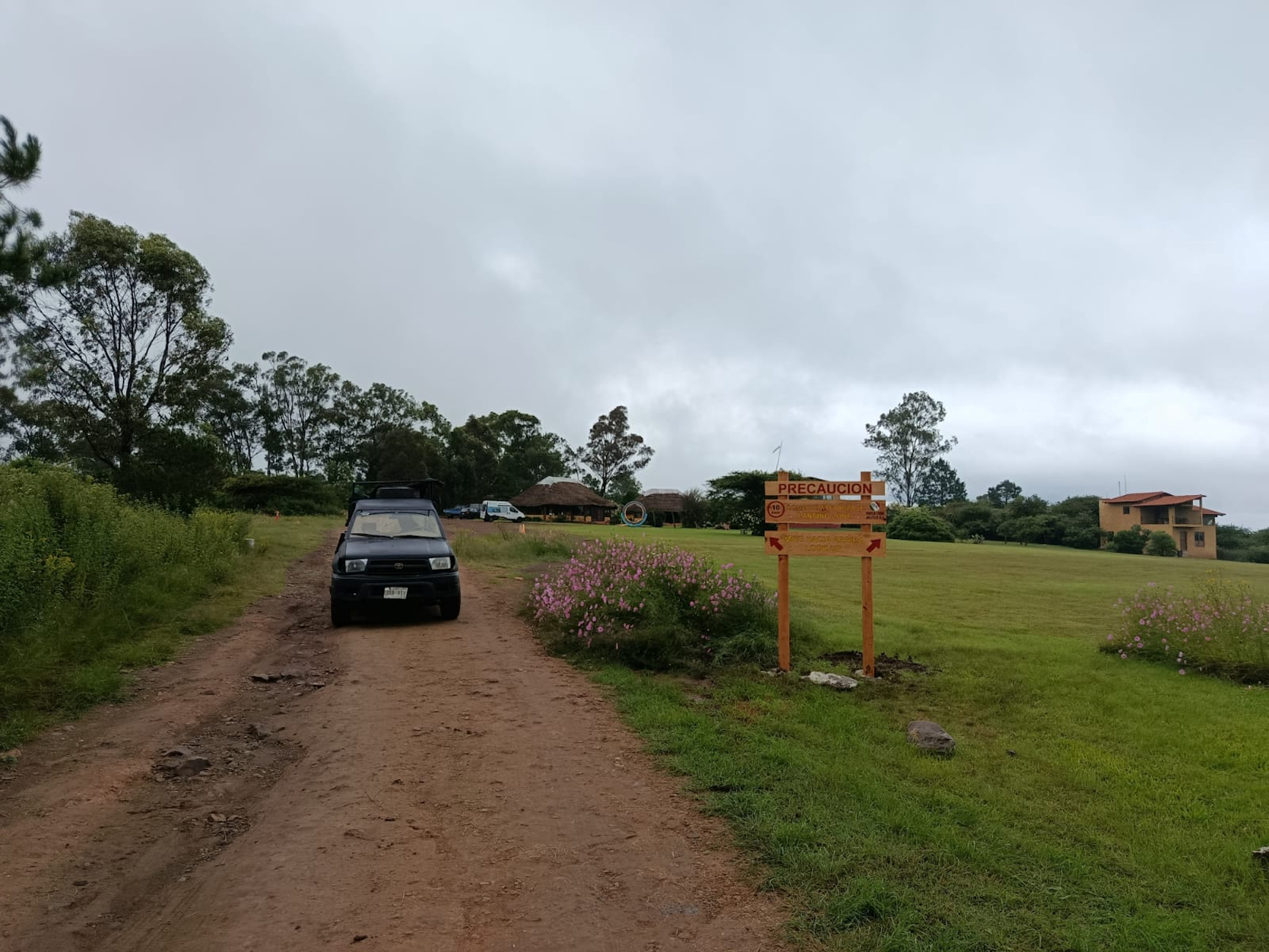
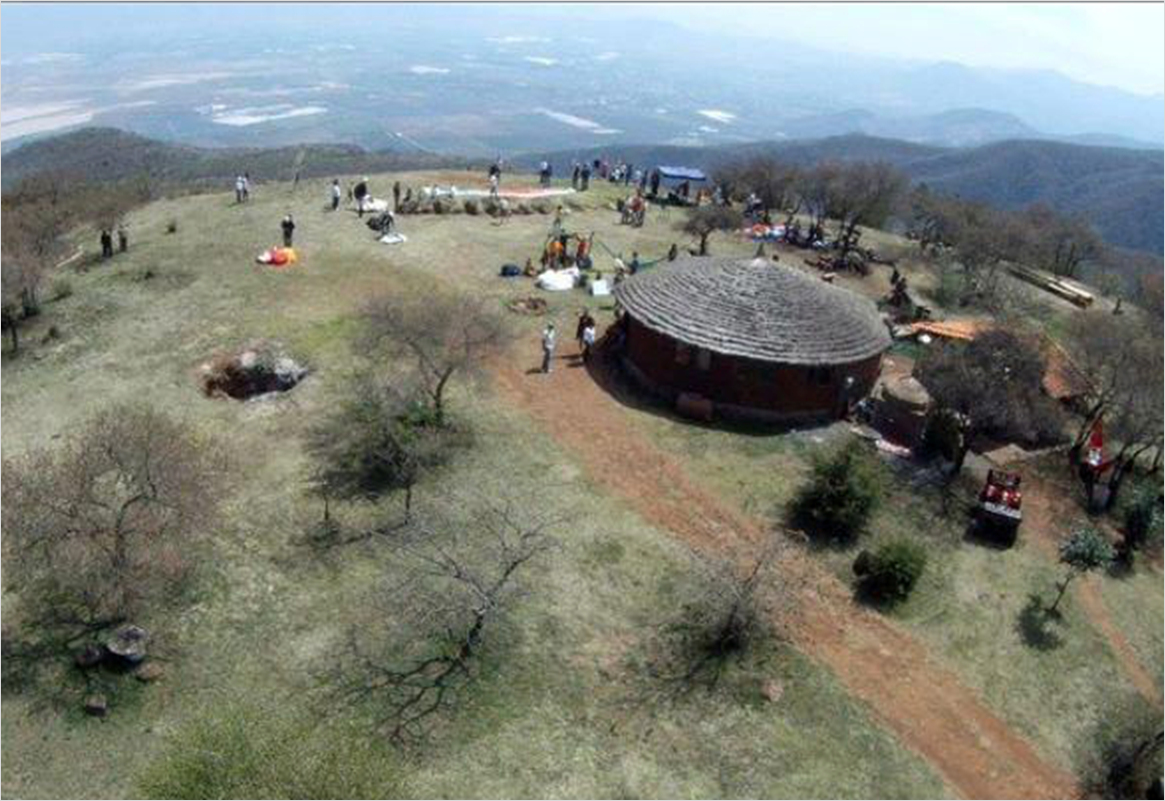
La Ceja (Secondary Launch Point) is an alternative launch point in case of strong southerly winds. This launch point will only be used if there is no other option when the wind is blowing from the south. It can accommodate one or two nearly simultaneous launches. La Ceja offers camping accommodations, cabins, and a restaurant. La Ceja
Tapalpa is located in the heart of the Mexican state of Jalisco, 2.5 hours from its capital, Guadalajara. Jalisco is the birthplace of national icons such as tequila, mariachi, and charrería (Mexican rodeo). Jalisco stands out for its geographical diversity: from the Pacific coast to the mountains, its landscape is a UNESCO World Heritage Site and is marked by the blue agave from which tequila is produced. It boasts a rich cultural heritage and is an economic engine in technology, agribusiness, and tourism.
Tapalpa is one of Mexico's most charming and picturesque Pueblos Mágicos (Magical Towns), known for its colonial architecture, mountainous landscapes, and tranquil, welcoming atmosphere. Situated atop a plateau in the Sierra Madre Occidental mountain range, Tapalpa is distinguished by its natural beauty, traditional culture, and small-town feel, making it a major tourist attraction. With pine and oak forests, and waterfalls like La Luna and El Salto del Nogal, it's ideal for outdoor activities such as paragliding, hiking, mountain biking, camping, and many other adventures.
Furthermore, its historic center preserves cobblestone streets, horses, colonial-style houses, and the main church of La Concepción, offering a perfect setting for strolling, admiring, and taking photographs. The municipality is also known for its cultural festivals, traditional processions, and its gastronomy, which includes traditional Jalisco tequilas, dishes like squash blossom quesadillas, tamales, and regional snacks. Infrastructure and hotel capacity: Tapalpa has a variety of hotels and cabins distributed throughout the municipality.
The total hotel capacity ranges from 400 to 450 people, catering to national and international tourists seeking everything from simple accommodations to more comfortable boutique options. Restaurants and gastronomy: The food stalls offer everything from traditional Mexican dishes to international options, promoting the delicious cuisine of the region and satisfying a wide range of tourist needs.
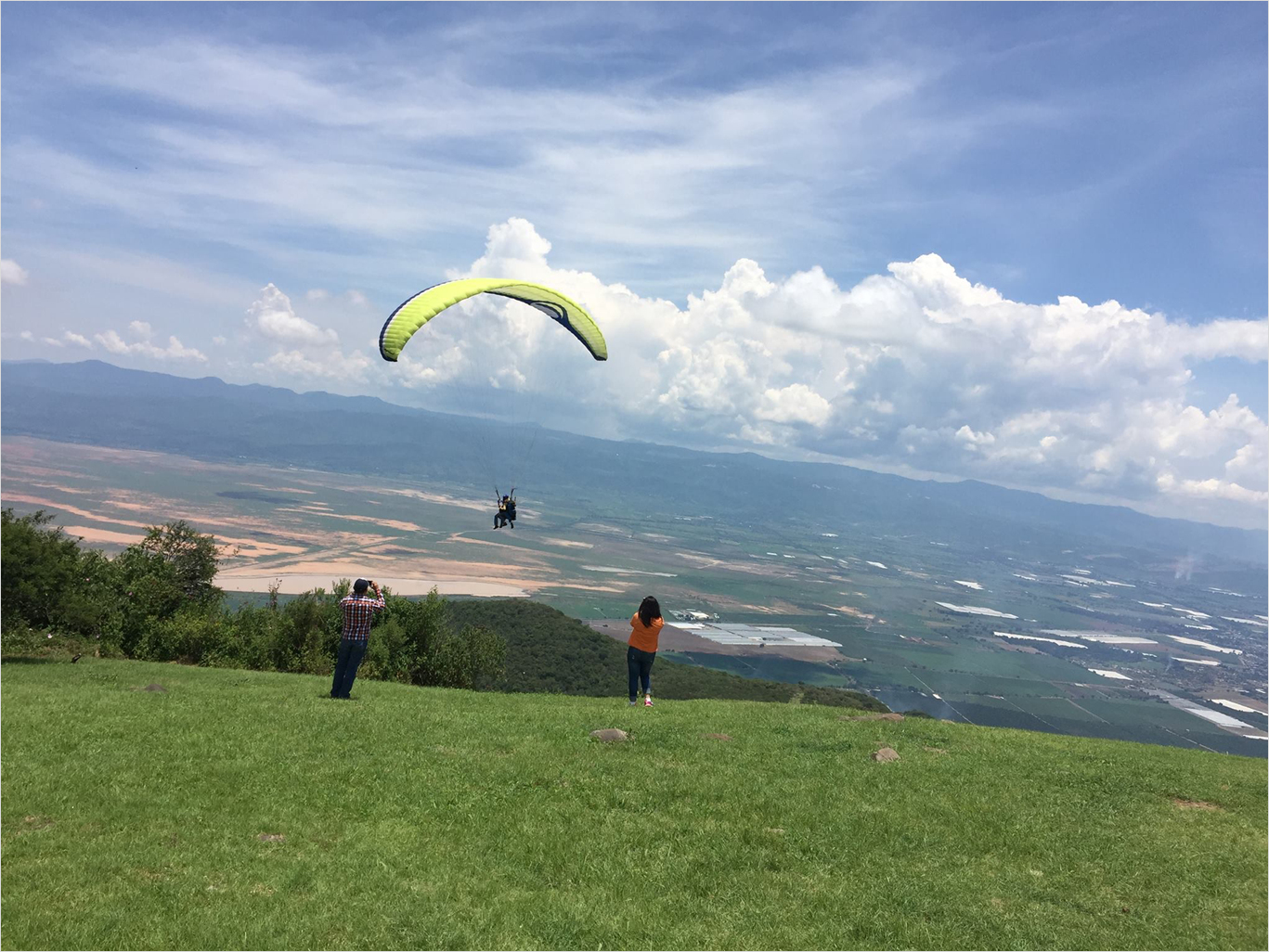
Flying area: Tapalpa was discovered and first used in 1978. Since then, it has established itself as a leading flying destination for local pilots from Guadalajara and Colima. National and international paragliding and hang gliding events have been successfully held there, including jet ski competitions in 2001 and 2002. The launch point is located at the top of the Tapalpa mountain range, which extends over a wide valley with natural lagoons at 1200 meters above sea level. These lagoons remain full of water for six months and dry for another six.
It stretches for over 60 km from north to south, reaching the volcanoes of Jalisco and Colima, which rise to over 3,200 m above sea level. On the other side of the valley, opposite the Tapalpa lagoons, lies the Sierra del Tigre mountain range, extending for over 40 km, offering a rich and varied flying area encompassing mountains, plateaus, and valleys.
Like Valle de Bravo, Tapalpa is also located on the Trans-Mexican Volcanic Belt, at its eastern end, 250 km from the Pacific Ocean. Flying is possible there year-round, with two distinct seasons: the "Hurricane" season, from June to October, offers six months of perfect conditions ideal for paragliding, with waterfalls cascading high in the mountains and spectacular views of the valley's mirror-like lagoons filled with water.
In early November, the monarch butterfly arrives from North America to the Trans-Mexican Volcanic Belt, seeking refuge from the cold fronts that will mark the beginning of the six-month dry season. November is the month from which Tapalpa gets its name: "Land of Colors" in Nahuatl, as the landscapes are filled with flowers of various colors. As November transitions from wet to dry, the perfect conditions arise for the start of the cross-country flying season, with higher cloud bases, reaching up to 2,500 to 3,000 meters above sea level. This allows for flights over the Tapalpa plateau, across the lagoons towards the Sierra del Tigre mountain range, and even as far as the volcanoes of Jalisco and Colima to the south.
The crest of the Sierra de Tapalpa faces east, so flying is possible from the early morning hours. There are two main launch points, depending on the wind direction.

AVLJ (Asociación de Vuelo Libre de Jalisco) is a non-profit civil association dedicated to the care and maintenance of flight runways and landing areas, with the responsibility of enforcing paragliding and hang gliding flight regulations for both takeoffs and landings. Pilot rates are as follows:
STUDENT Pilot $300 MXN for 12 months
INDIVIDUAL Pilot $600 MXN for 12 months
TANDEM Pilot $1,200 MXN for 12 months
VISITOR Pilot $400 MXN for 5 days to 4 months
VISITOR TANDEM Pilot $24,000 MXN for 4 months
*AVLJ offers five additional free days to pilots participating in SRS and Pan American Paragliding events.
Website